If you’re hoping to finance a new or existing business or franchise with a loan, but don’t want to risk personal collateral such as a home or boat, an unsecured business loan may be the right fit for you.
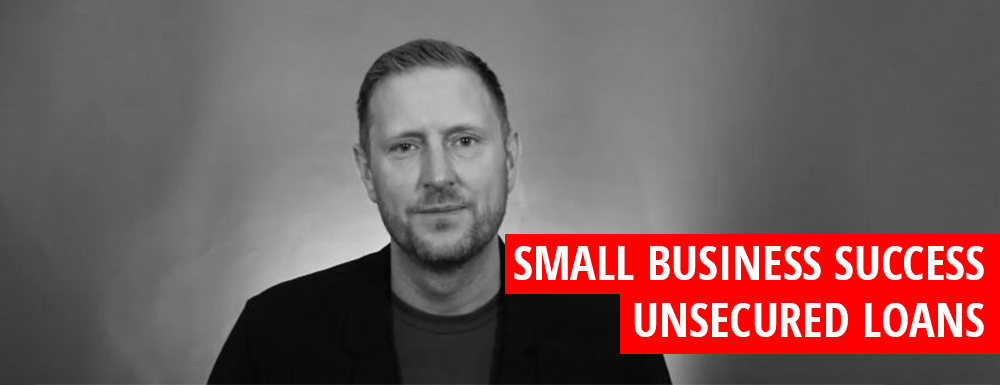
To learn more, check out our newest Small Business Success video. Guidant CEO and Cofounder, David Nilssen, explains how small business owners with a healthy credit history can launch a business with an unsecured business loan.
No time for a quick video? Here’s the transcript:
We’ve talked about a lot of different financing options from SBA loans to Rollovers for Business Start-ups and even portfolio lending. But one we haven’t talked about is Unsecured [business] loans.
Now, lots of entrepreneurs across the country are utilizing unsecured loans as a way to capitalize a small business or franchise because it allows them to gain access to capital without using their personal assets as collateral for the loan. Instead, banks look at the credit worthiness as their deciding factor. It’s very fast. So, for individuals that are running up against a particular timeline, they appreciate the unsecured loan, because you can secure them less than three weeks.
Now you can think about it more like a small business credit card, using multiple lines of revolving credit. You can put together $25,000 to $150,000 for your small business. There is no use of proceeds requirements, so you can use it for any ordinary or necessary business expense. But it’s important to know that because the bank is not taking your personal assets as collateral that they properly will be a larger interest rate assigned to that loan.
Now, what does it take to qualify? If you have a credit score above 690, if you utilized less than 50 percent of your existing revolving lines, if you’ve had less than two increases on your credit the last six months and no derogatory credit in the last six years, you could apply or be approved for this type of loan.
So, if you think that this particular option is an attractive one, one that may come with a higher interest rate, but doesn’t use your personal assets as collateral, you can learn more at guidantfinancial.com.