Funding a business is one of the biggest decisions an entrepreneur will make – and how you choose to finance it can shape everything that follows.
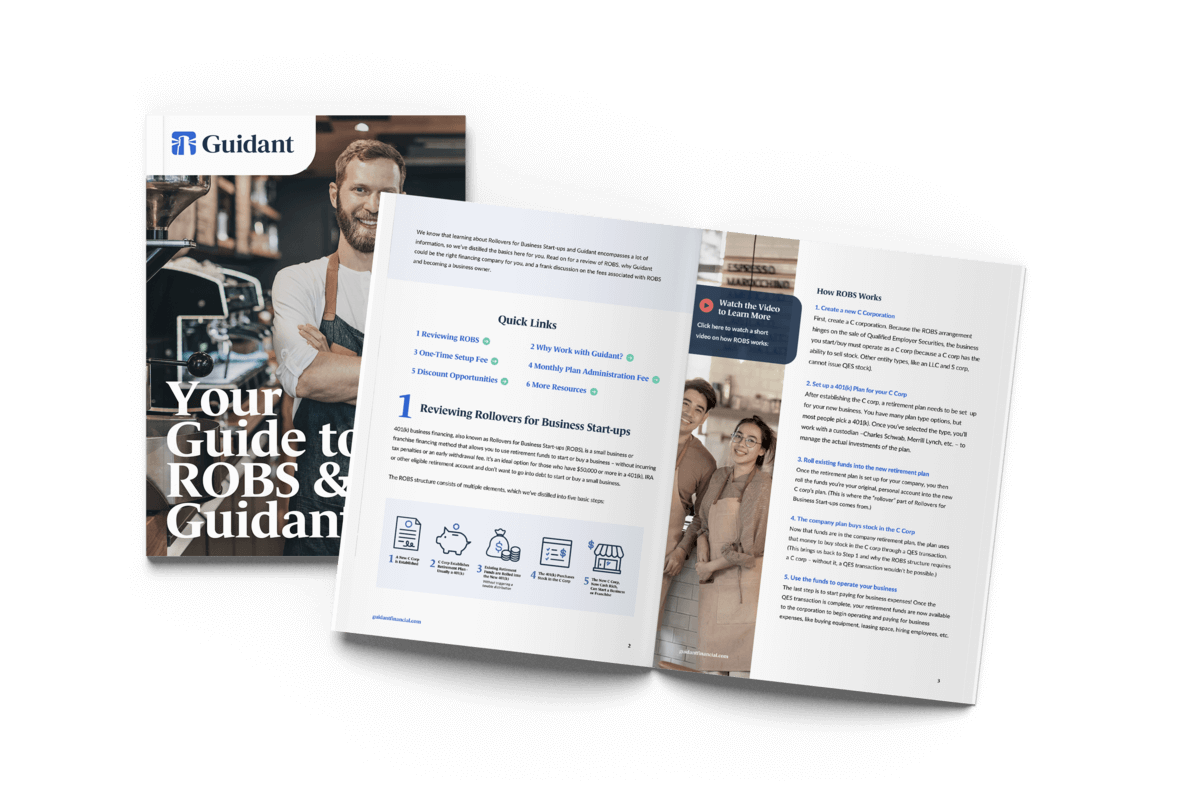
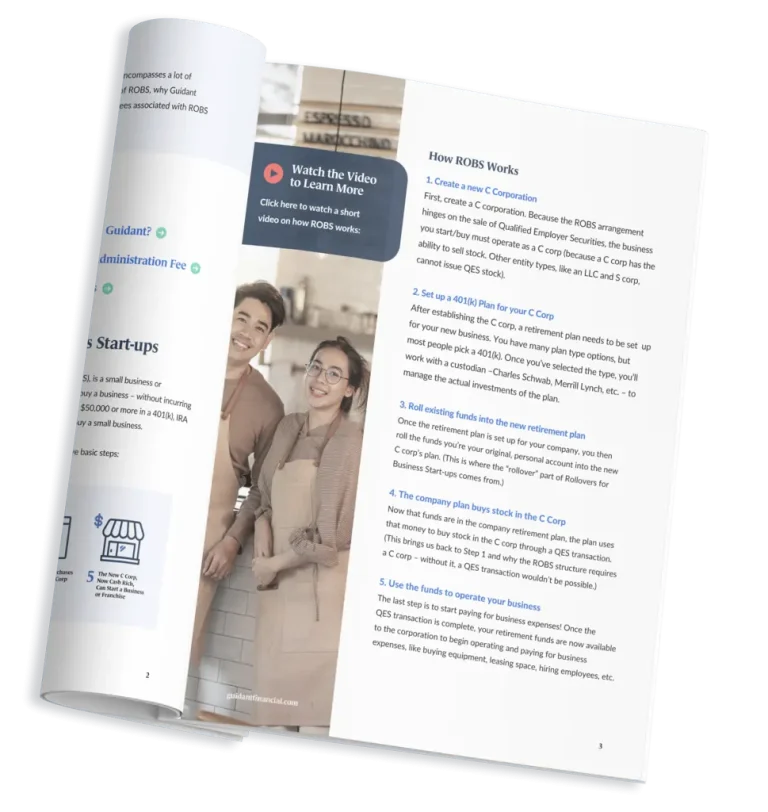
One option many aspiring business owners explore is ROBS (Rollovers as Business Startups). It allows you to use retirement funds to start or buy a business without taking on debt. For the right person, it can be a powerful tool. But like any funding strategy, it comes with important trade-offs.
Here’s a clear, balanced look at the pros and cons of using ROBS – so you can decide whether it fits your goals.
The Biggest Advantage: Funding Without Debt
One of the most appealing aspects of ROBS is that it allows you to fund a business without borrowing money.
Instead of taking out a traditional loan, your retirement funds are invested directly into your business. That means:
- No monthly loan payments
- No interest charges
- No pressure from repayment schedules
Unlike a standard retirement withdrawal, a properly structured ROBS also avoids early withdrawal penalties and immediate taxes. Your retirement funds become what’s often referred to as patient capital — invested for long-term growth rather than short-term repayment.
Retirement Contributions & Long-Term Benefits
Using ROBS doesn’t mean giving up retirement planning altogether. In fact, it can open new opportunities.
With a ROBS-funded business, you can:
- Continue contributing to a retirement plan
- Potentially contribute up to $70,000 per year through combined employee and employer contributions
- Offer a retirement plan as a benefit to employees
For many small businesses, offering retirement benefits helps attract and retain talent, especially when competing with larger companies.
There’s also a tax advantage to consider. The equity your retirement plan holds in the business can grow tax-deferred or tax-free (if structured as a Roth 401(k)), allowing more of your investment to stay working for you over time.
Key Trade-Offs to Understand
While ROBS offers meaningful benefits, it’s not a fit for everyone. There are structural and compliance considerations that matter.
Requirement to Operate as a C Corporation
To use ROBS, your business must be structured as a C corporation. This is necessary because the retirement plan needs to own company stock.
What to know:
- C corporations can issue stock, unlike LLCs or S corporations
- Corporate profits are taxed at a flat 21% rate
- Dividends may be taxed again at the shareholder level
For some business owners, this structure works well. For others, it may feel less flexible than alternative entity types.
Restrictions on Certain Transactions
ROBS comes with strict IRS rules designed to prevent misuse of retirement funds.
For example:
- You can’t personally own a building and lease it to your business
- Transactions that benefit you personally at the expense of the retirement plan are prohibited
If your business needs real estate or major assets, the corporation must own them directly to remain compliant.
Reasonable Compensation Rules
As a ROBS business owner, you can pay yourself a salary — but it must be considered reasonable. Your compensation should align with market rates because paying yourself significantly above or below industry norms can raise red flags. To avoid issues, your compensation planning should be intentional and well‑documented. For most owners, this isn’t restrictive, but it does require awareness and thoughtful planning.
Ongoing Administration & Compliance
Like any retirement plan, a ROBS arrangement requires ongoing administration, including annual reporting, proper plan management, and consistent adherence to IRS and Department of Labor rules. Working with an experienced ROBS provider helps ensure these responsibilities are handled correctly, allowing you to stay compliant while focusing on running your business instead of managing paperwork.
Is ROBS Right for You?
ROBS can be a strong option for entrepreneurs who want to invest in their own business without taking on debt – but it’s not a one-size-fits-all solution.
Before moving forward, it helps to ask yourself:
- Am I comfortable operating as a C corporation?
- Am I willing to follow ongoing compliance requirements?
- Does avoiding debt align with my long-term financial goals?
Clear answers to these questions can help determine whether ROBS is a smart fit.
Thinking About Your Next Step?
If you’re considering using retirement funds to start or buy a business and want help understanding whether a ROBS structure aligns with your goals, Guidant Financial’s team is here to support you. We specialize in helping entrepreneurs evaluate both the benefits – like tax advantages and debt-free funding – and the responsibilities involved, including plan administration and compliance.
If you’re curious about how ROBS works or want to talk through whether it’s the right fit for your business plans, we’re happy to walk you through the process and answer your questions – with no pressure or obligation.
You can call 425-289-3200 to schedule a free business consultation, or take a few minutes to pre‑qualify for business financing online.
Want to learn more before you decide? Check out our short YouTube video, What are the Pros and Cons of using ROBS?
The best funding strategy is the one that supports your vision, financial comfort, and long‑term goals — and taking the time to explore your options is always the smartest first step.