We’re currently experiencing a service outage for our [product]. Our team is actively working on resolving the issue. Our IT experts are working tirelessly to restore service as quickly as possible.

What Are Women-Owned Businesses Like in 2025?

In 2025, the landscape of women-owned businesses reflects a dynamic mix of innovation, strategic growth, and increasing generational diversity. Women continue to be a powerful force in small business, navigating challenges with resilience and driving forward with confidence. This year’s data illustrates the evolving identity of women entrepreneurs and their growing impact across industries, regions, and leadership models.

Business Types

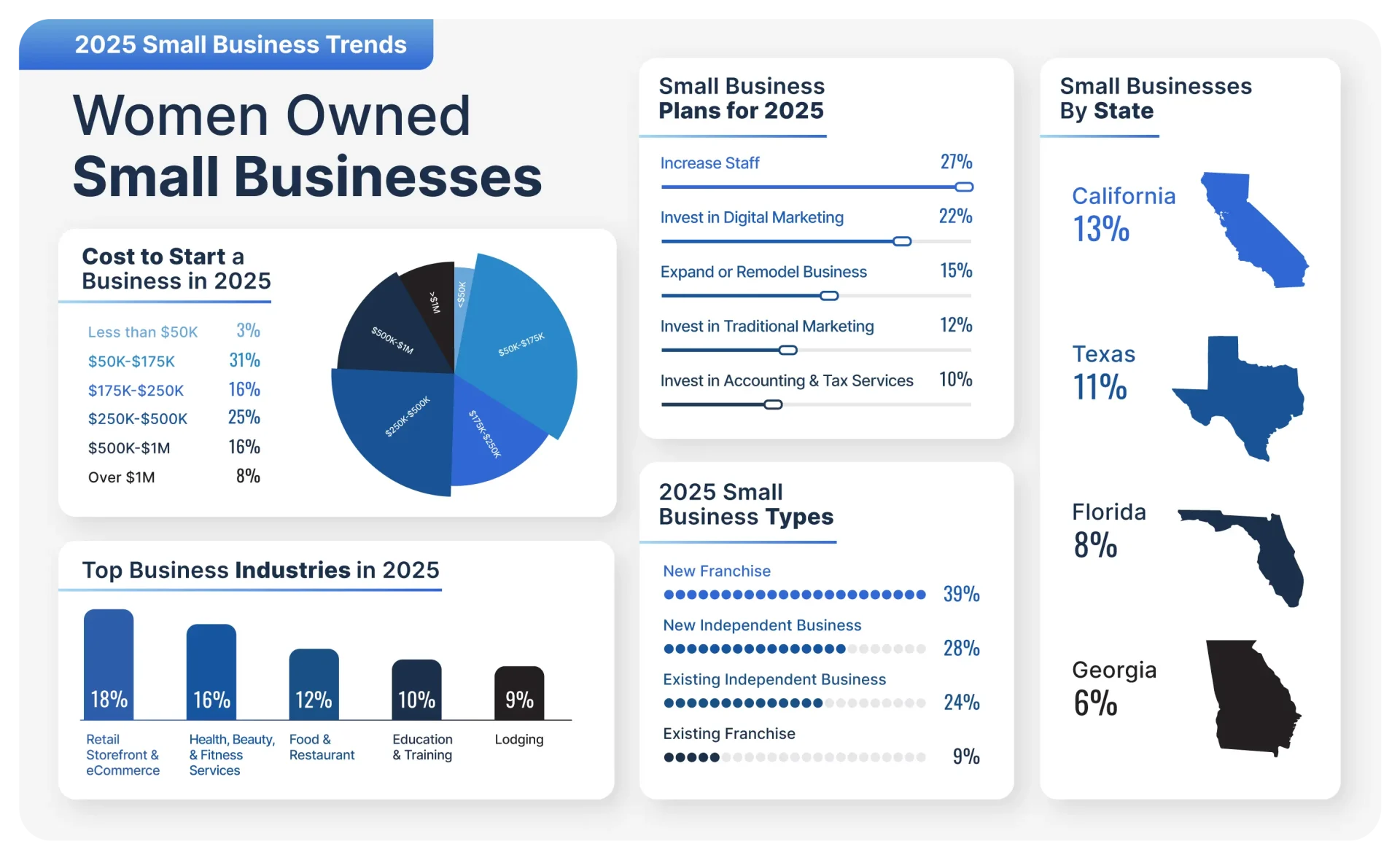
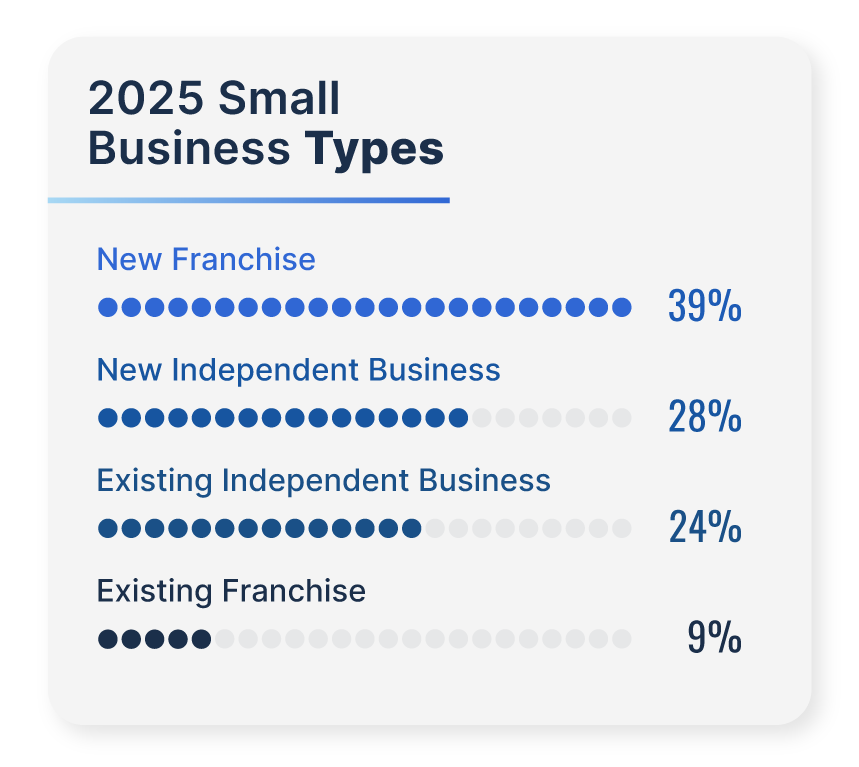
A notable 39 percent of women entrepreneurs have launched new franchise locations, a figure that underscores the rising popularity of franchising as a strategic pathway to business ownership. An additional 9 percent purchased existing franchises, while 28 percent of respondents started new independent businesses. Another 24 percent acquired existing independent businesses, reflecting a healthy balance between building from the ground up and scaling through acquisition. These choices highlight women’s growing versatility and adaptability in today’s business environment.

Top Industries

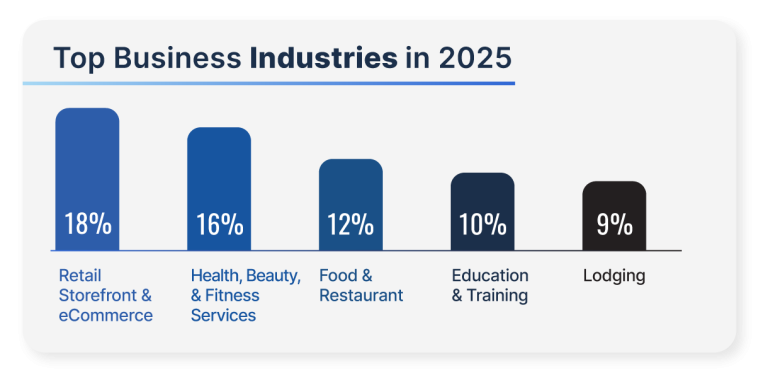
Women-owned businesses remain active in familiar yet expanding sectors. Retail continues to lead, representing 18 percent of all women-owned businesses. Health, Beauty, and Fitness follows closely at 16 percent, while Food and Restaurant businesses account for 12 percent. Education and Training makes up another 10 percent. Regionally, California is home to the largest share of women-owned businesses at 13 percent, followed by Texas at 11 percent, Florida at 8 percent, Georgia at 6 percent, and Michigan at 5 percent.

Profitability and Growth Plans

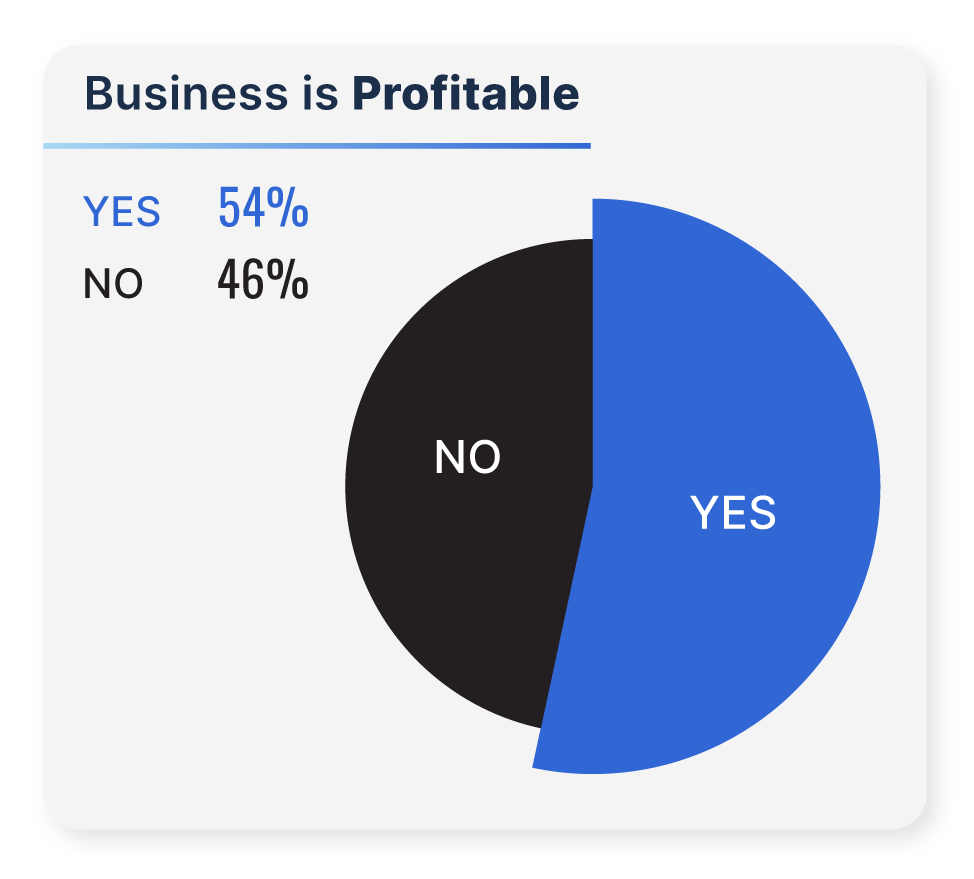
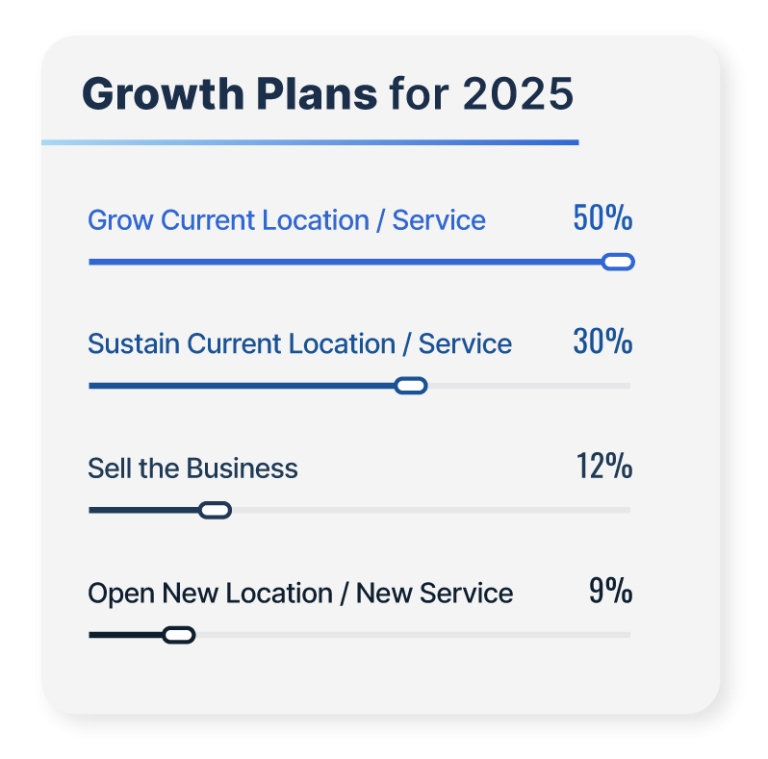
Despite ongoing economic headwinds, 54 percent of women business owners reported profitability in 2025. The remaining 46 percent are still ramping up, many of them in the early phases of operation. This year, 50 percent of respondents plan to grow their businesses, while 30 percent are focused on sustaining current operations. Nine percent intend to open a new location or offer additional services, and 12 percent are considering selling their businesses.
Planned areas of investment reveal a focus on strategic expansion. Twenty-seven percent plan to increase staffing, 22 percent are investing in digital marketing, 15 percent aim to remodel or expand their locations, and 12 percent will allocate resources toward traditional marketing.

Hiring and Workforce Trends

Hiring trends indicate progress. Although 38 percent of women-owned businesses did not hire this year, those that did encountered fewer difficulties compared to previous years. Nine percent reported hiring was very difficult, while 15 percent said it was somewhat difficult – both figures represent a 27 percent decrease from the previous year.

Most women-led businesses remain lean. Forty-two percent employ between two and five people, 22 percent operate as sole proprietors, and 16 percent maintain teams of six to ten. Among the hardest positions to fill were sales roles (29%), followed by food service (16%) and management (13%). The primary barriers include lack of experience (23%), poor soft skills (17%), and low applicant volume (14%).

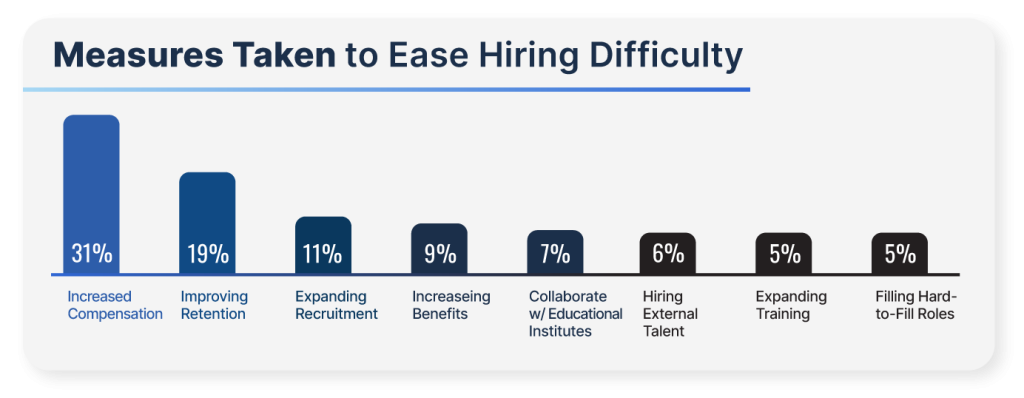
In response, women business owners are taking action: 31 percent are increasing compensation, 19 percent are prioritizing employee retention strategies, and 11 percent are expanding recruitment efforts.

Who Are Women Business Owners in 2025?
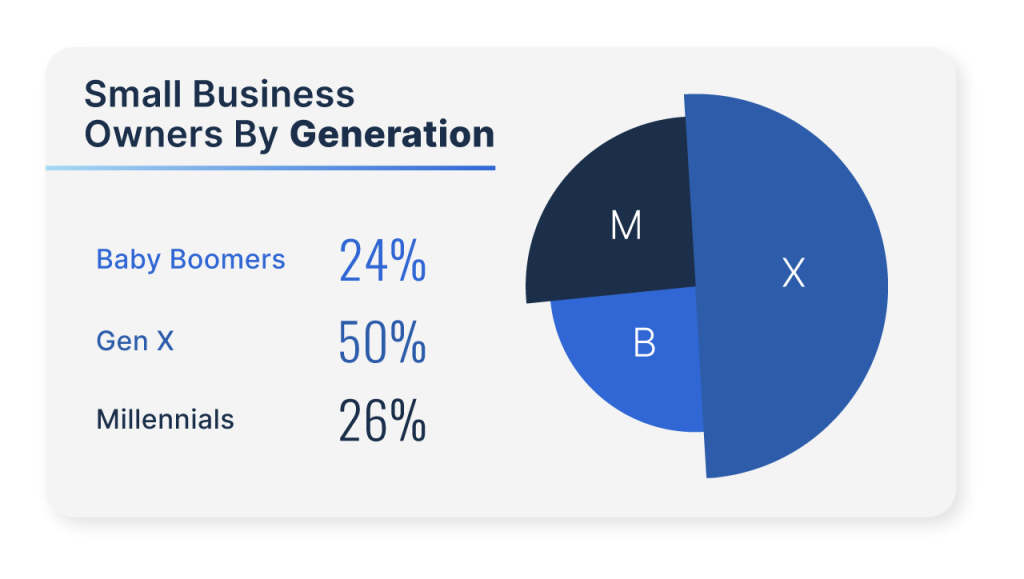
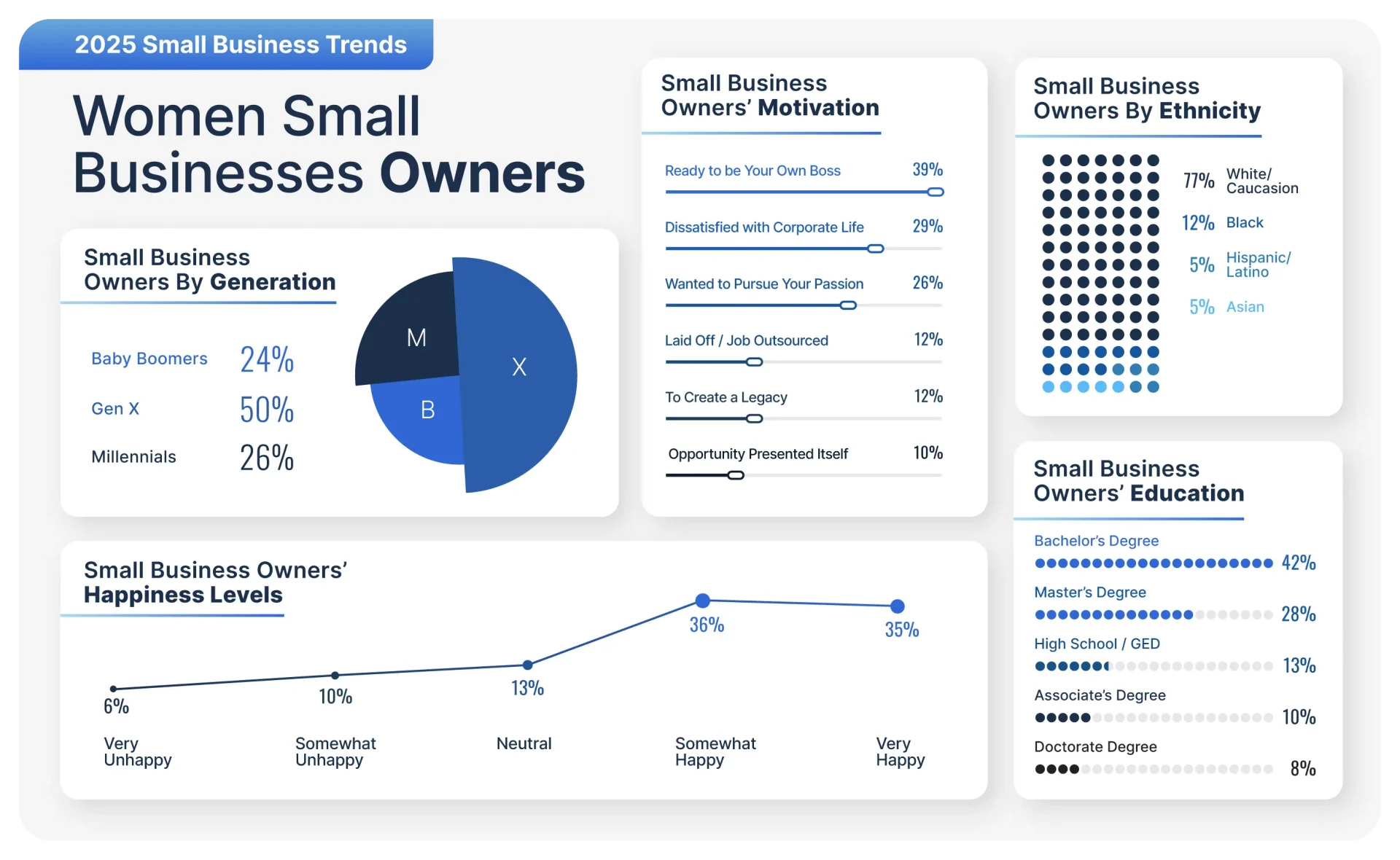
This year’s generational data shows a significant shift. Gen X continues to lead at 50 percent, but Millennials are gaining ground, now representing 26 percent of women business owners – a 34 percent increase over the previous year. Baby Boomers, by contrast, saw a decline in ownership, now comprising 24 percent of respondents. This trend reflects a gradual yet impactful generational transition in leadership.

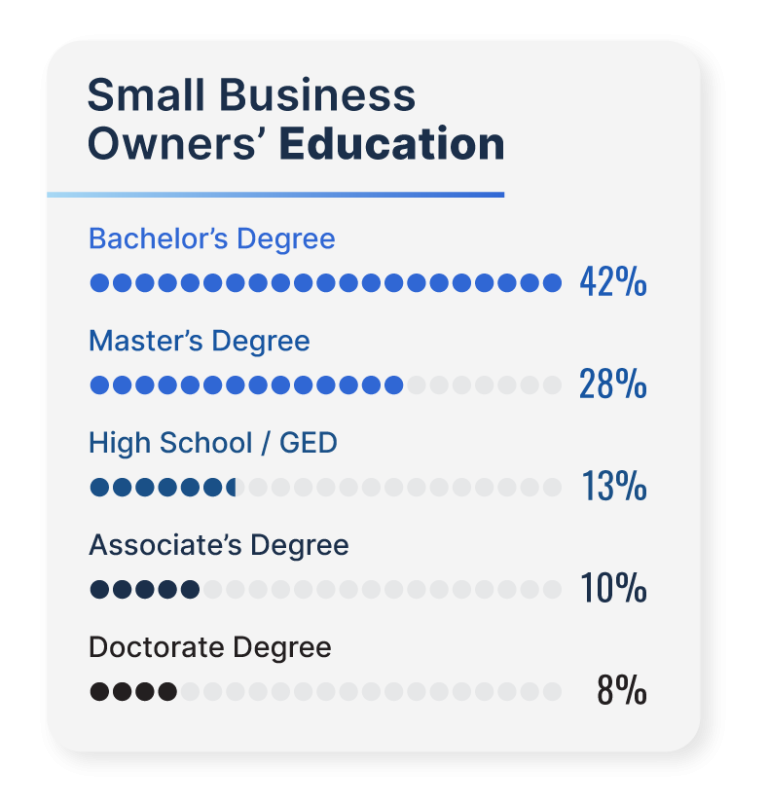
Educational attainment remains strong among women entrepreneurs. Forty-two percent hold a bachelor’s degree, 28 percent have earned a master’s, and 8 percent possess a doctorate. An additional 10 percent have an associate’s degree, and 13 percent completed high school or earned a GED. In total, over 70 percent of respondents have a college degree or higher, showcasing the high level of academic achievement within the community.
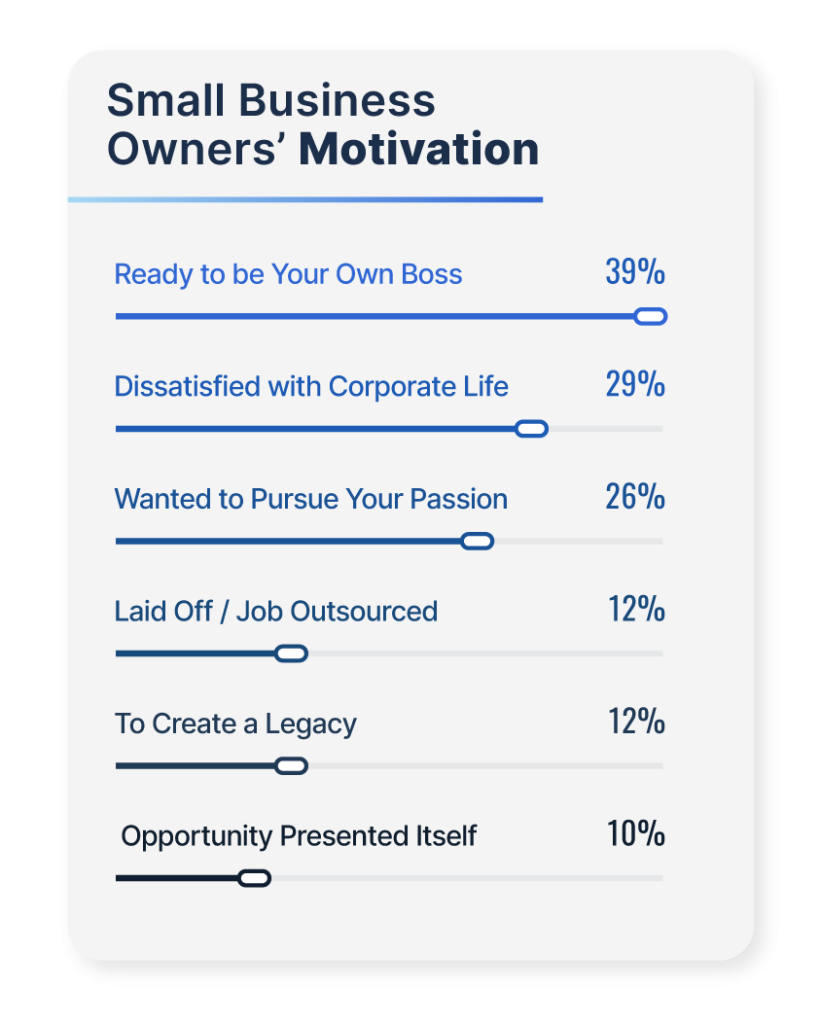
When asked why they became business owners, the leading response was the desire to be their own boss (39%). Other top motivations included dissatisfaction with corporate America (29%), the pursuit of a passion or idea (26%), being laid off or outsourced (12%), and a desire to create a legacy (12%).
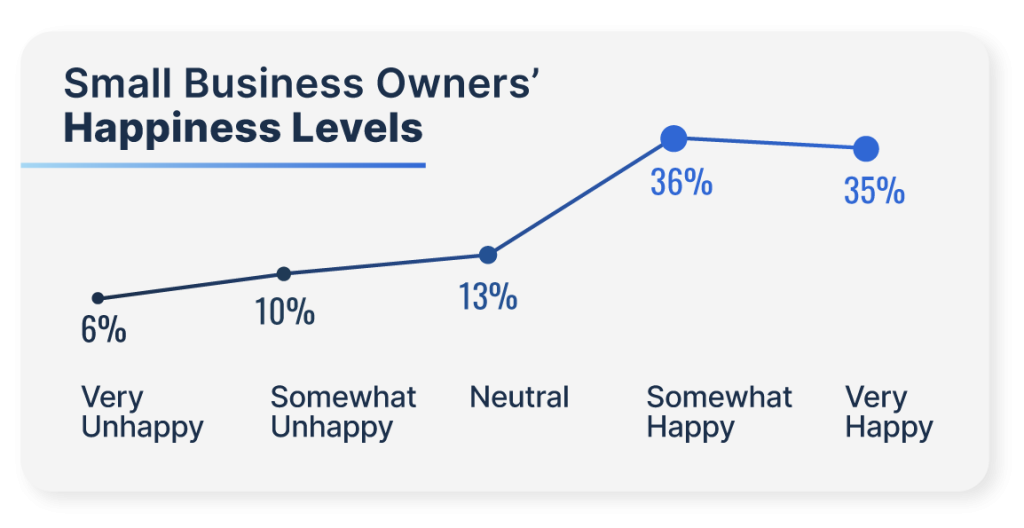
The emotional rewards of entrepreneurship also remain strong. Nearly 70 percent of women describe themselves as happy in their business journey, with 35 percent reporting they are “very happy” and 36 percent saying they are “somewhat happy.”

Diversity in Ownership

Women continue to represent 25 percent of small business owners overall, a figure unchanged from last year. Racial and ethnic diversity within the community remains stable as well. White or Caucasian women make up 77 percent of respondents, followed by Black or African-American women at 12 percent. Hispanic or Latina women and Asian or Asian-American women each account for 5 percent of ownership.

Politics in a Divided Climate
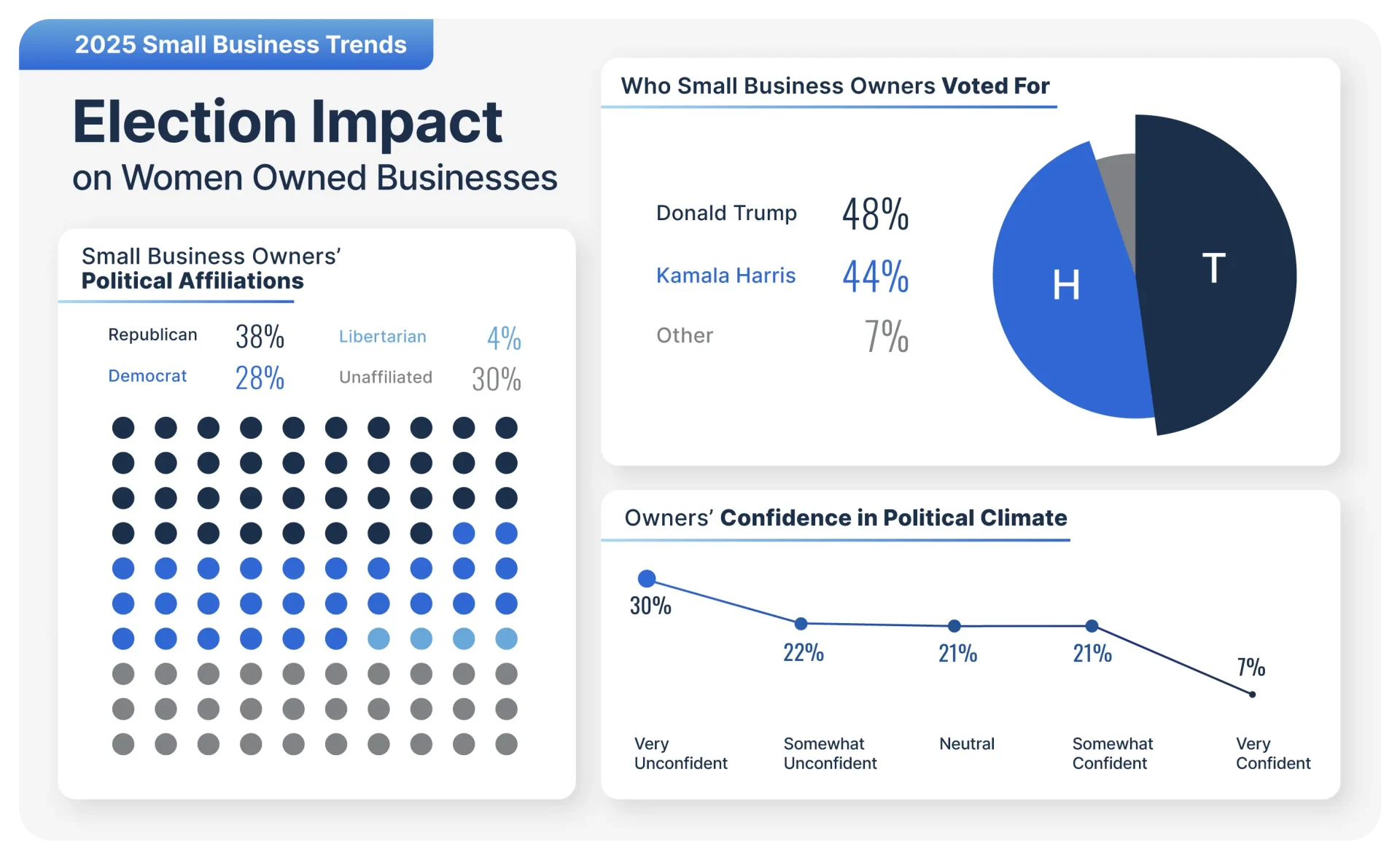
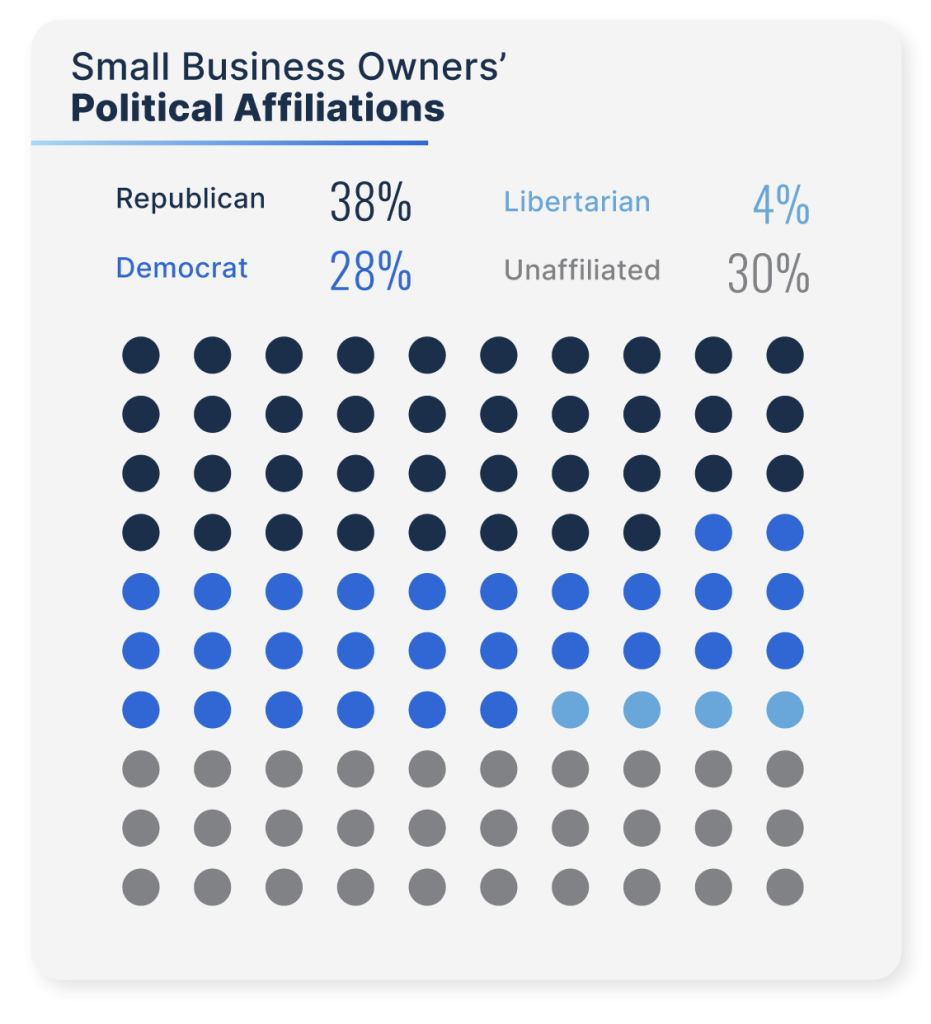
The political landscape among women business owners experienced notable shifts in 2025. Republican affiliation declined to 38 percent (down 7 percent), while Democratic identification rose to 28 percent (a 20 percent increase). Thirty percent of respondents reported no party affiliation, and 5 percent identified as Libertarian.

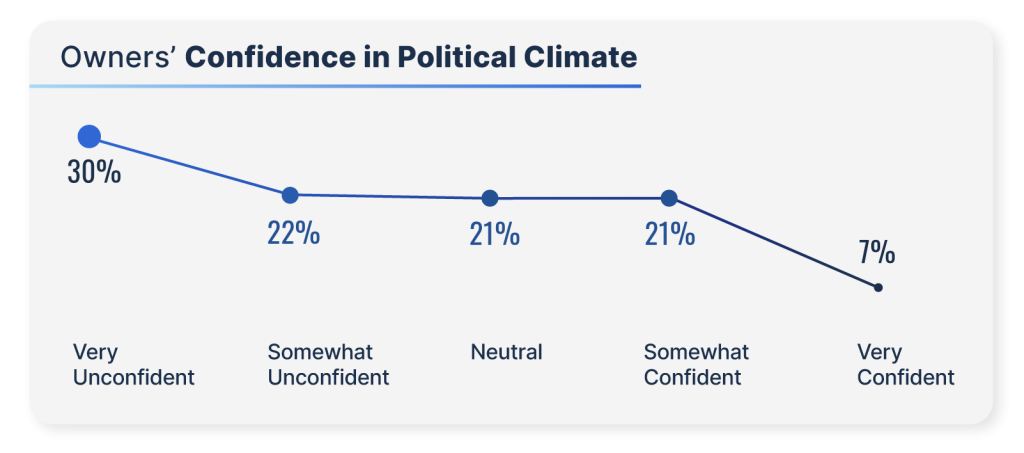
When asked about presidential voting preferences, 48 percent of women business owners supported Donald Trump, 44 percent backed Kamala Harris, and 7 percent selected another candidate or declined to specify. Confidence in the political climate became more polarized: 30 percent reported being very unconfident, while 7 percent expressed being very confident. The number of respondents expressing neutral or somewhat confident sentiments declined noticeably.

Backed, Building, and Betting on the Future
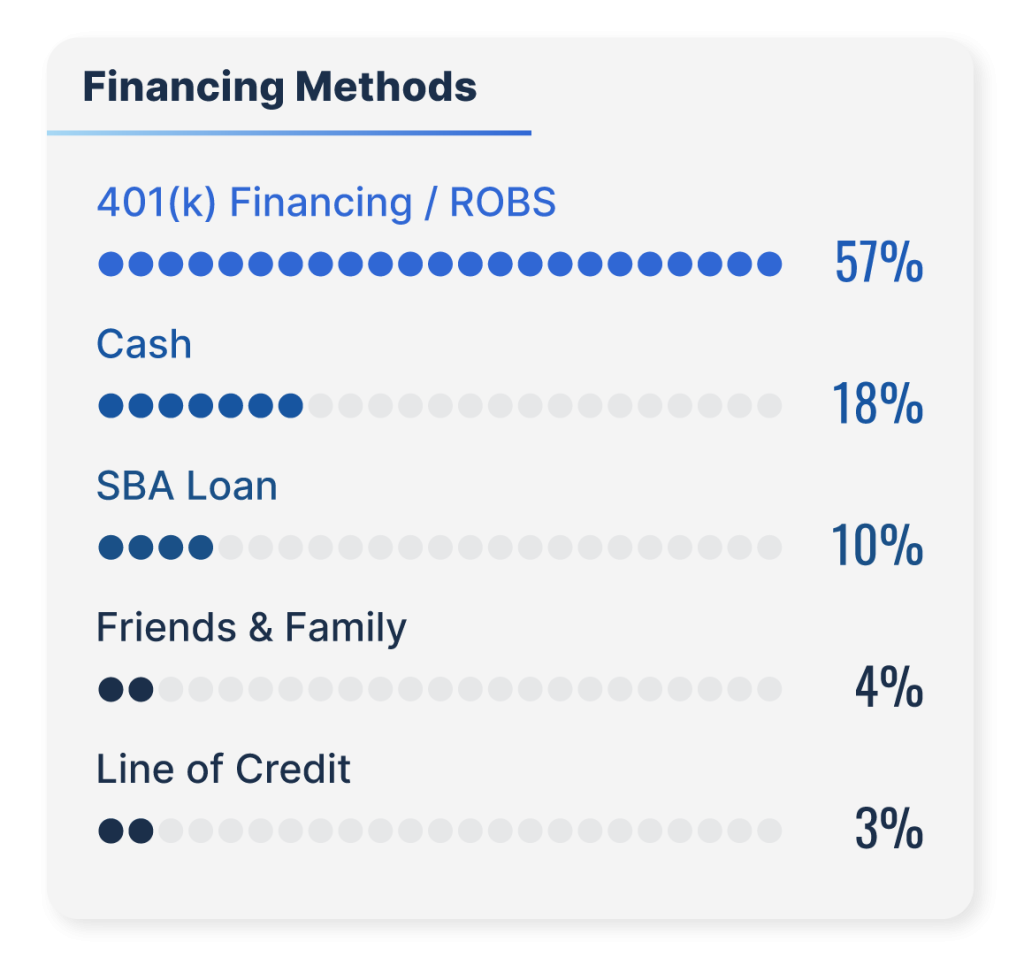
Strategic funding choices continue to shape the entrepreneurial journey. ROBS (Rollovers as Business Startups) remains the top source of financing, used by 57 percent of women business owners. Eighteen percent used cash, while 10 percent secured an SBA loan. It’s worth noting that since Guidant puts on the studies, we may have a higher sampling of individuals using ROBS to fund their business.

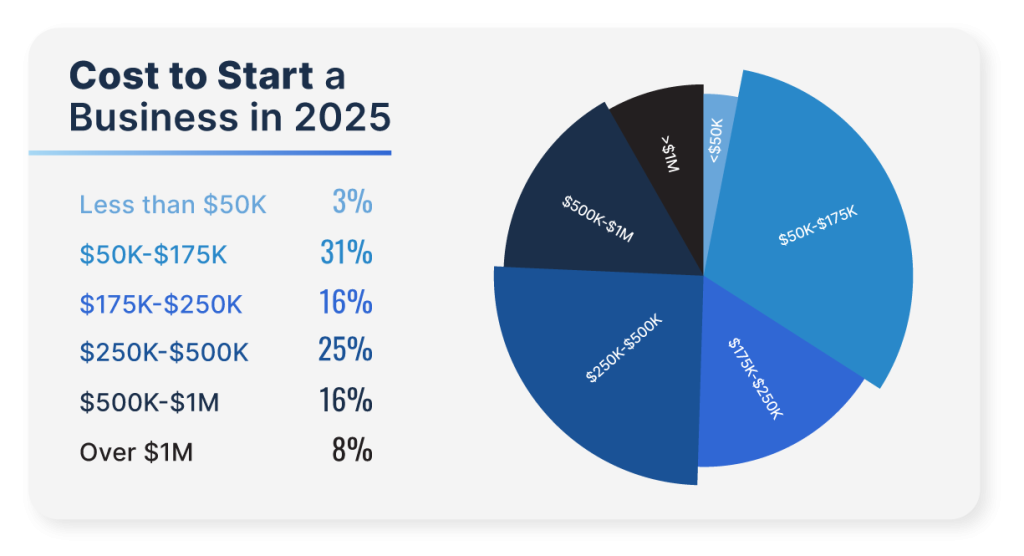
Startup costs vary widely, with 20 percent investing between $100,000 and $175,000, 16 percent spending between $175,000 and $250,000, and another 16 percent reporting costs between $500,000 and $1 million. Thirteen percent spent between $250,000 and $375,000.

To get their businesses off the ground, many women relied on professional guidance: 26 percent cited an attorney as the most helpful resource, followed by brokers or consultants (20%), CPAs (17%), and finance professionals (15%).
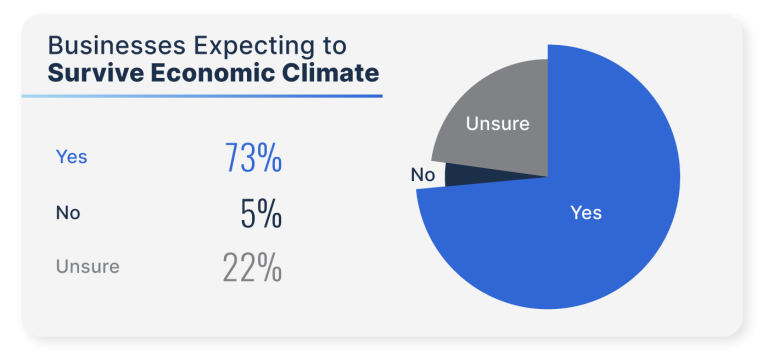
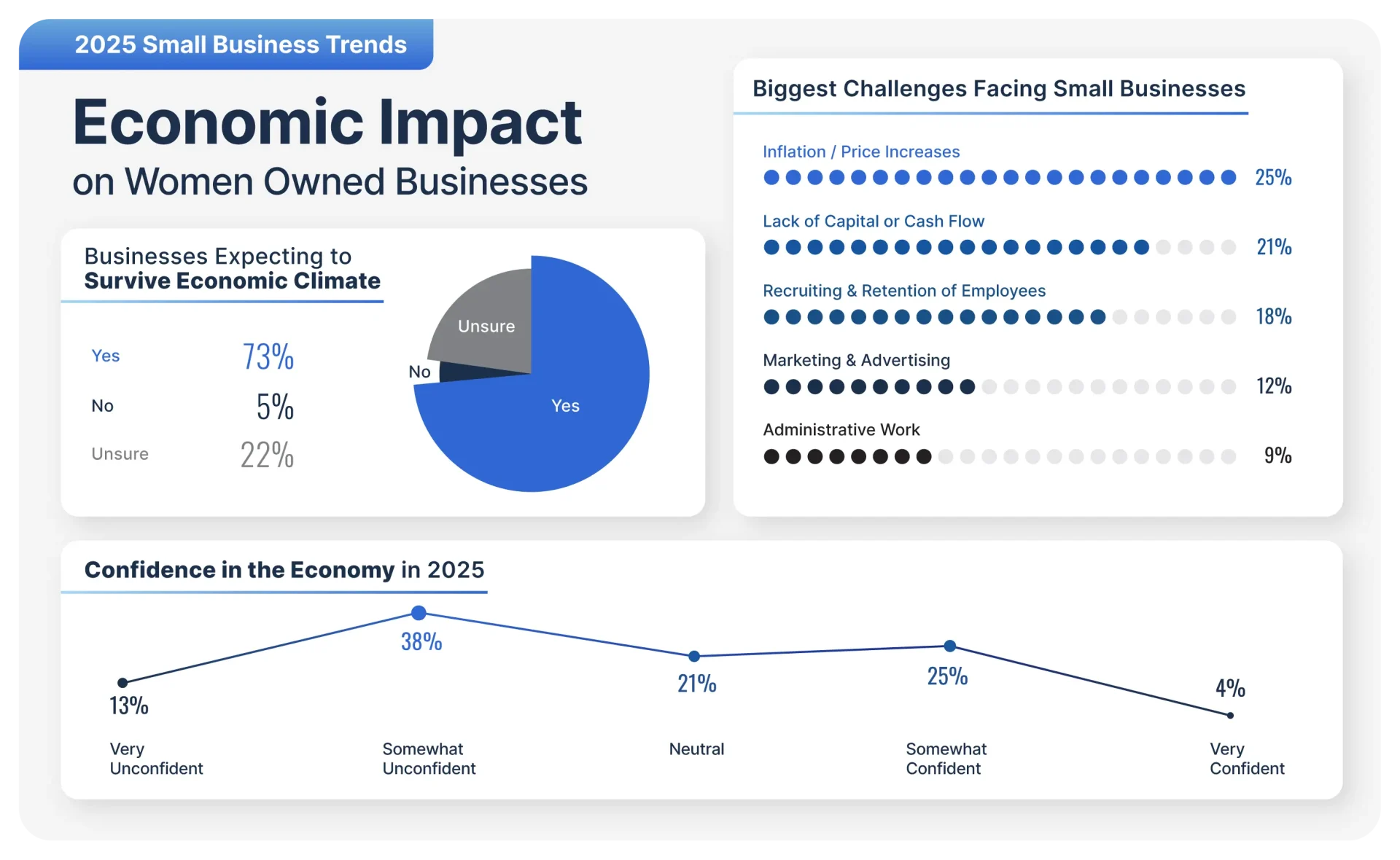
Looking ahead, the majority of women entrepreneurs feel optimistic about their business longevity. Seventy-three percent believe they will survive the current economic climate, while 22 percent remain unsure, and 5 percent do not believe they will make it through.

Study Summary

The 2025 Women in Business report paints a compelling picture of persistence, adaptability, and vision. Women entrepreneurs are increasingly educated, diverse in their motivations, and ambitious in their plans. They are navigating a politically and economically complex environment with focus and flexibility. Whether launching new ventures, expanding existing operations, or preparing for generational transitions, women are leaving their mark on the business world – and shaping its future in the process.

Your new life is right around the corner.

Together, we can get your business off the ground — no matter where you are in the small business process.

Scroll to Top